Best Beaches for Snorkeling and Freediving
Last updated: April 2026
Puerto Rico’s coral reefs and marine reserves offer spectacular snorkeling and freediving. From easy turtle encounters minutes from Old San Juan to crystal‑clear offshore cays, the beaches below are ordered west‑to‑east for a road‑trip itinerary.
Peña Blanca
Aguadilla · Seasonal cove · Google Maps
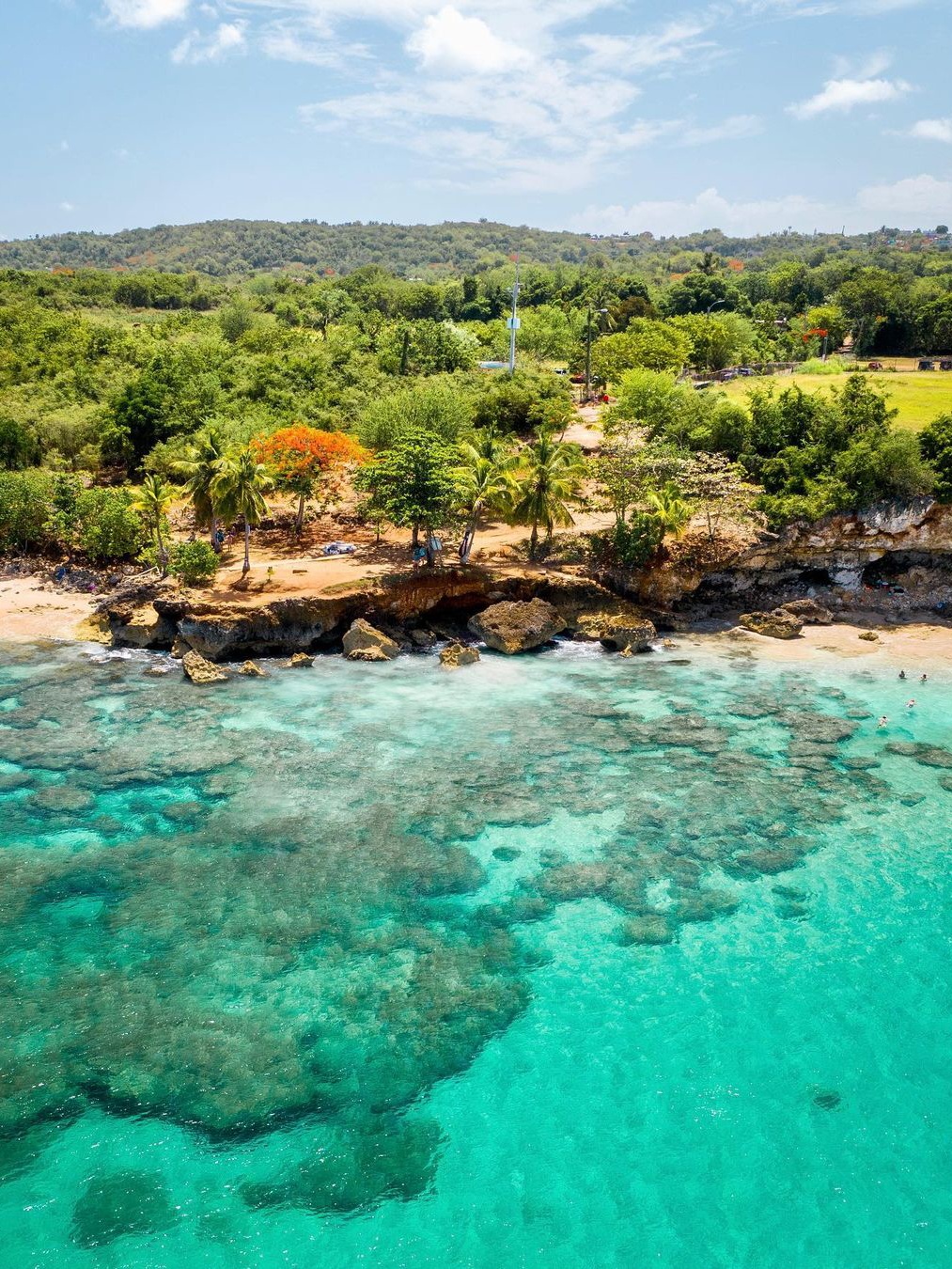
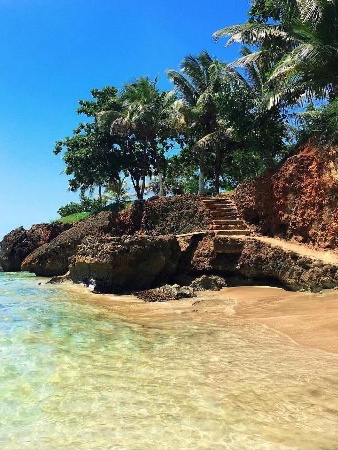
Hidden pocket cove reached by cliff stairs; during summer months the sand returns, revealing bright limestone ledges blanketed in sponges and small corals. Clear turquoise water and minimal surge create ideal conditions to linger among colorful wrasses, sergeant majors and juvenile parrotfish.
Cayo Enrique
La Parguera · Mangrove island · Google Maps
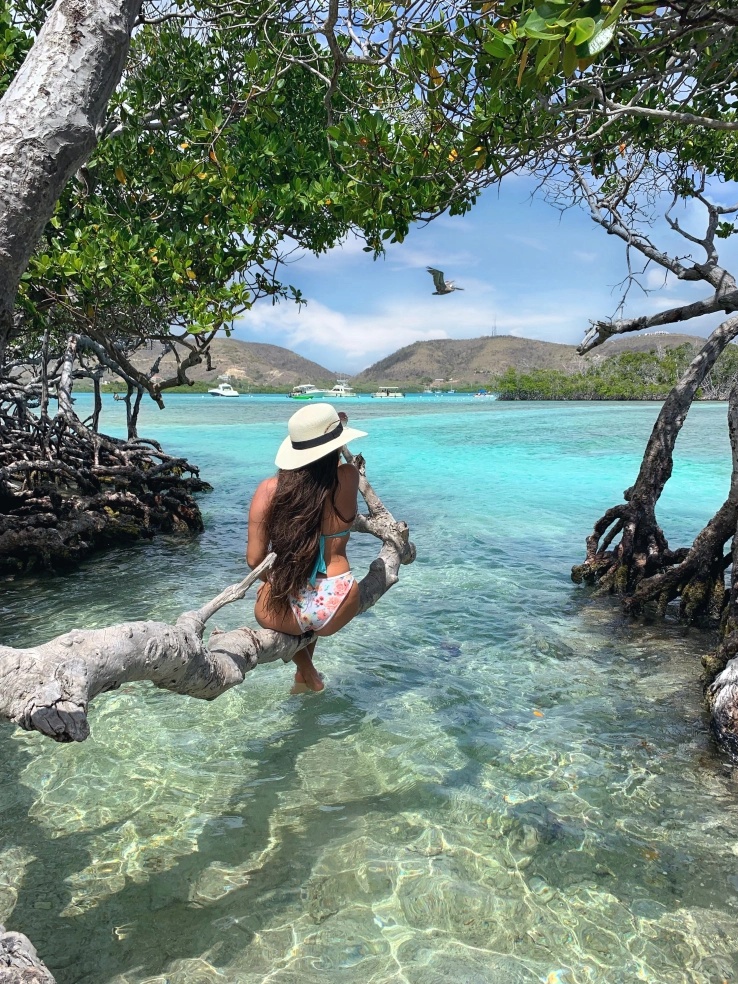
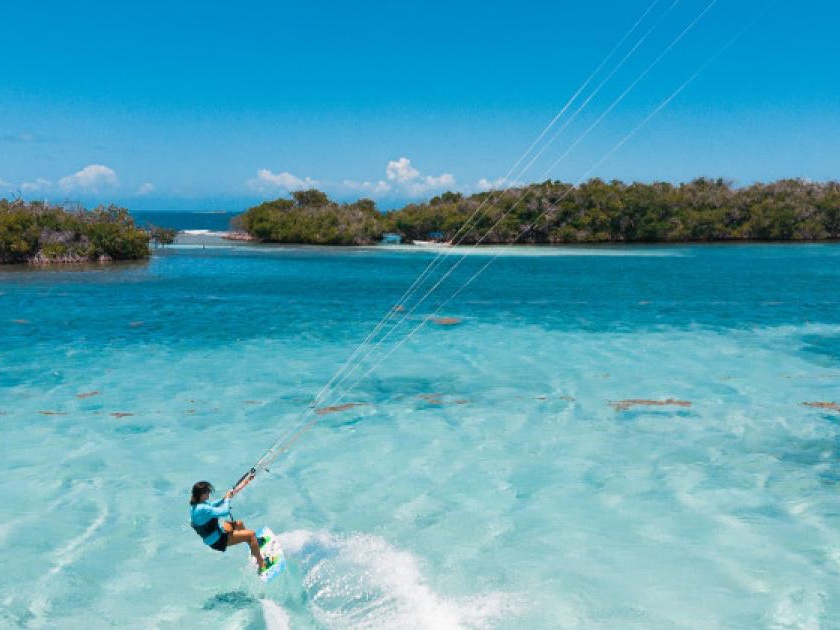
Mangrove‑ringed island inside La Parguera’s bioluminescent bay; sheltered lagoons harbor fields of soft sponges, octopus dens and slow‑moving sea horses. Light currents allow long, relaxed drifts while schools of French grunts and silvery mojarra weave through the roots.
Crash Boat
Aguadilla · Pier pylons · Google Maps
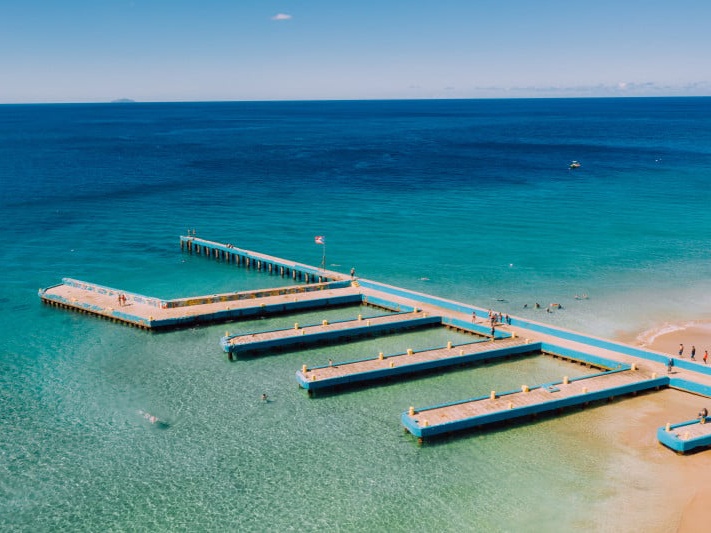
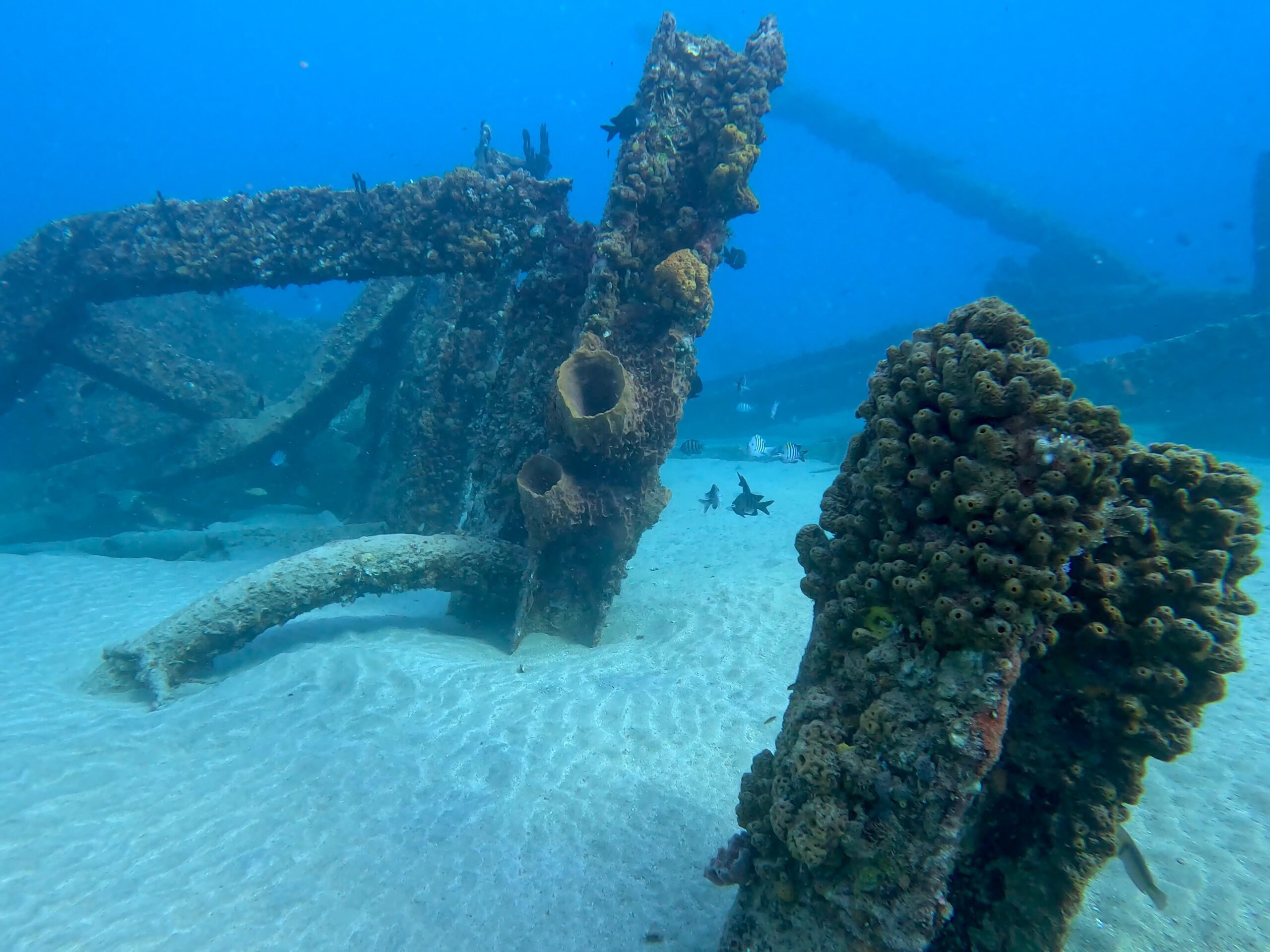
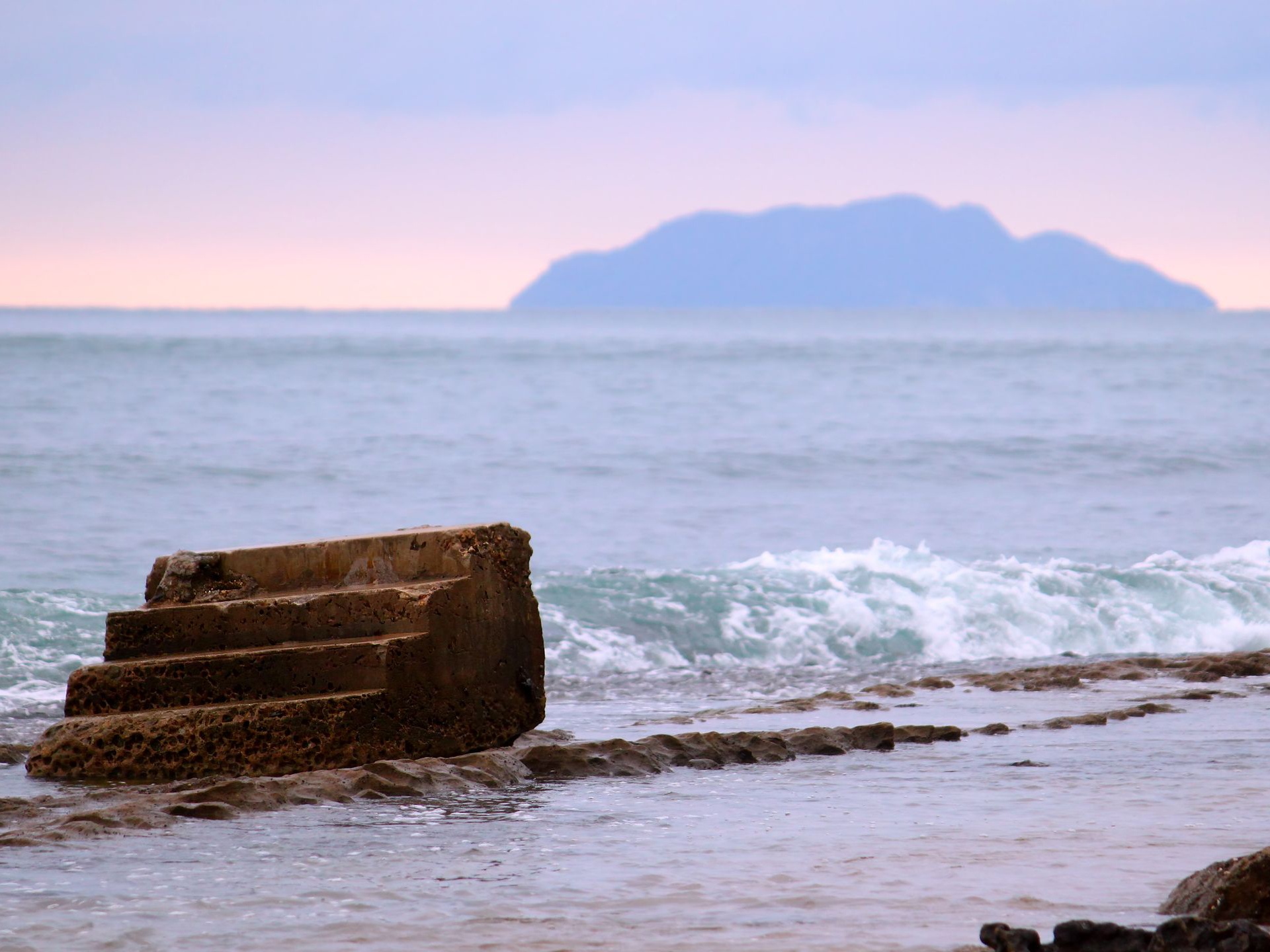
Historic pier pilings draped in mustard and fire corals create a vertical reef; playful tarpon, sergeant majors and the occasional spotted eagle ray patrol the ladders in gin‑clear water. Easy shore entry, showers and nearby food kiosks make it an all‑day hangout.
Cayo Icacos
Fajardo · Remote island · Google Maps
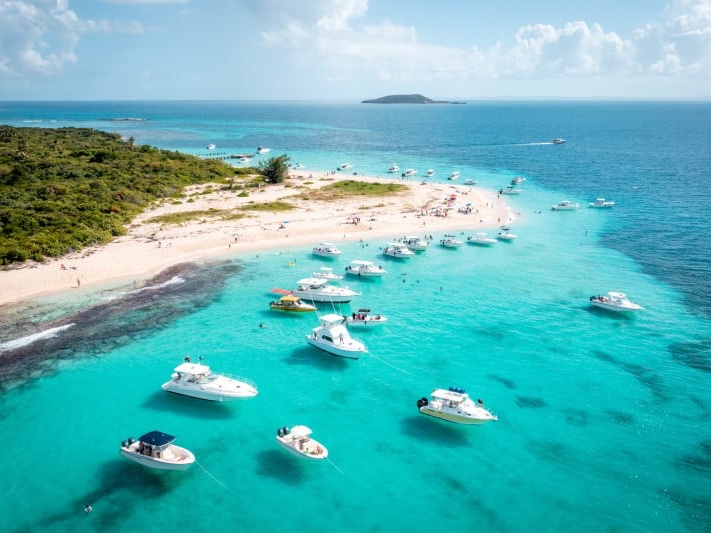
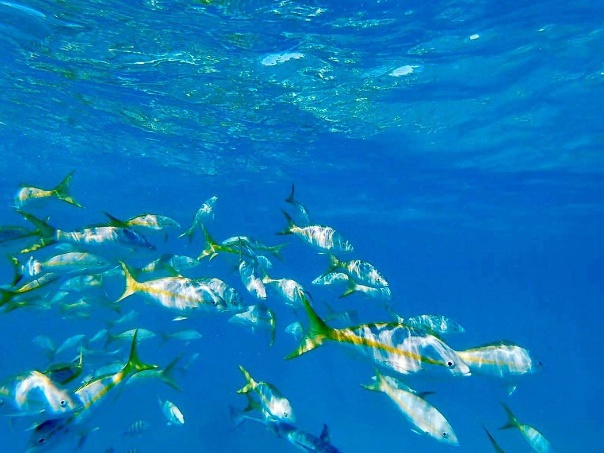
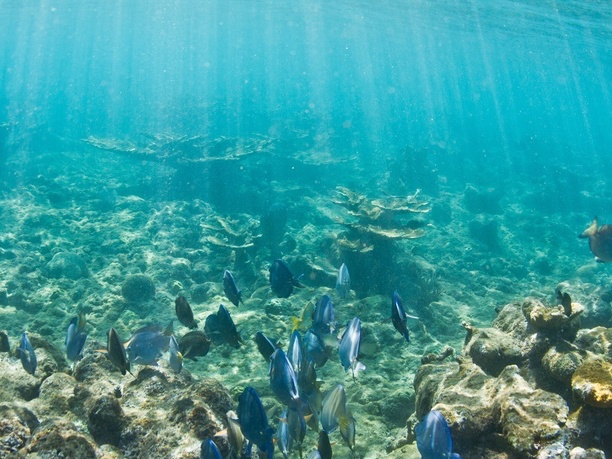
Uninhabited white‑sand cay reached by a quick water‑taxi ride from Fajardo; shallow coral heads burst with color - stoplight parrotfish graze, southern stingrays nap in the sand, and shimmering clouds of blue tang drift through 80‑foot visibility.
Steps Beach
Rincón · Reef wall & turtles · Google Maps
West‑coast reef wall drops abruptly into deeper blue just meters from shore, offering dramatic snorkeling. Green sea turtles glide across massive elkhorn coral formations, and water clarity often exceeds 100 ft - all framed by Rincón’s legendary sunsets.
Seven Seas (Punta Tatá)
Fajardo · Family‑friendly cove · Google Maps
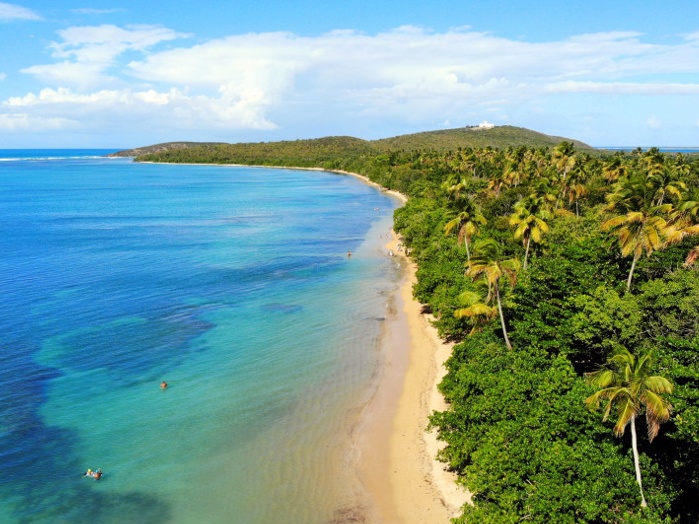
Shallow seagrass meadows dotted with conch, cushion stars and juvenile barracuda give way to knee‑deep reef ledges inside this protected cove. Lifeguards, restrooms and picnic gazebos keep the vibe family‑friendly, making it ideal for first‑time snorkelers and children.
Playa Tamarindo
Culebra · Turtle sanctuary · Google Maps
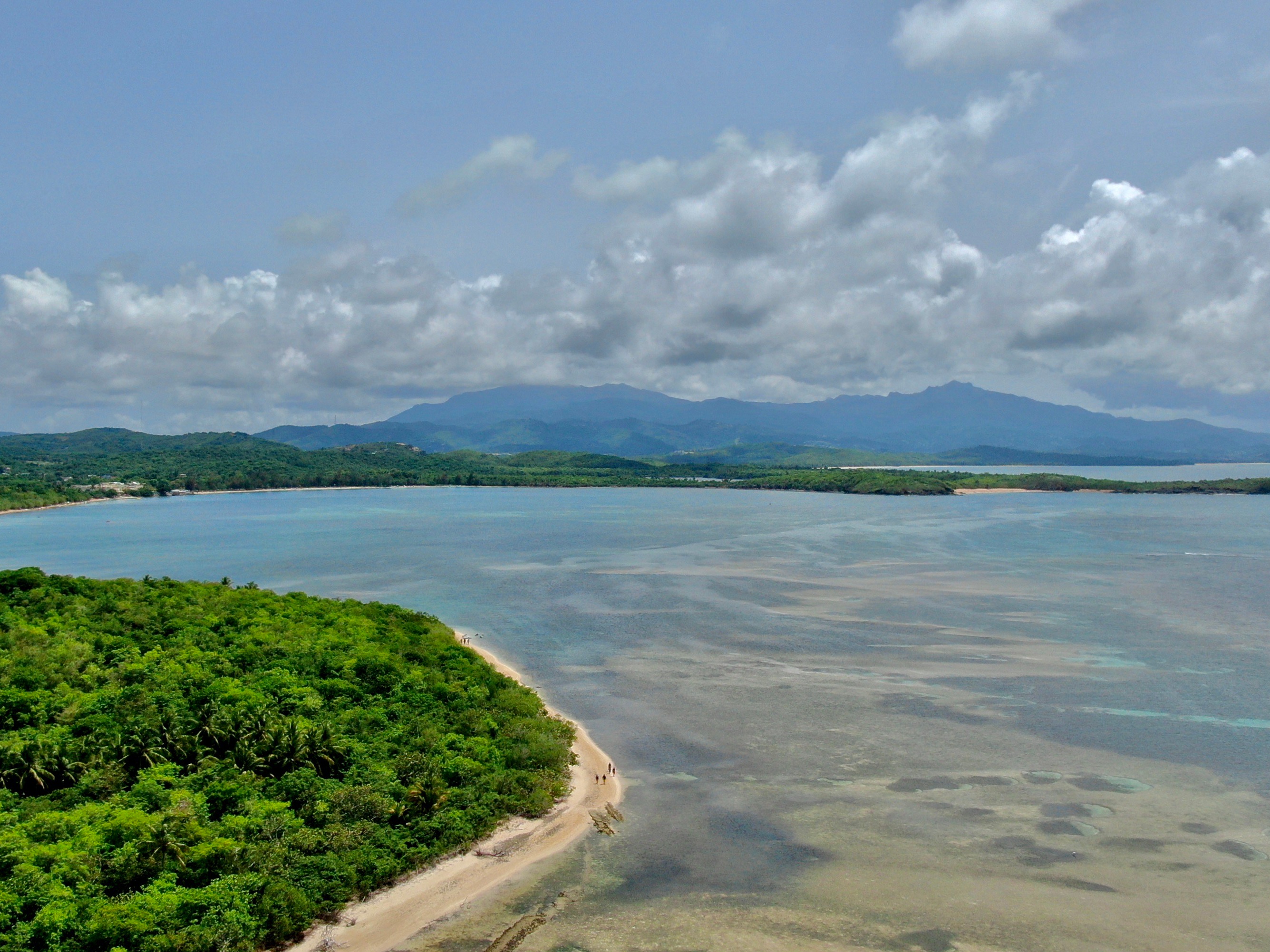
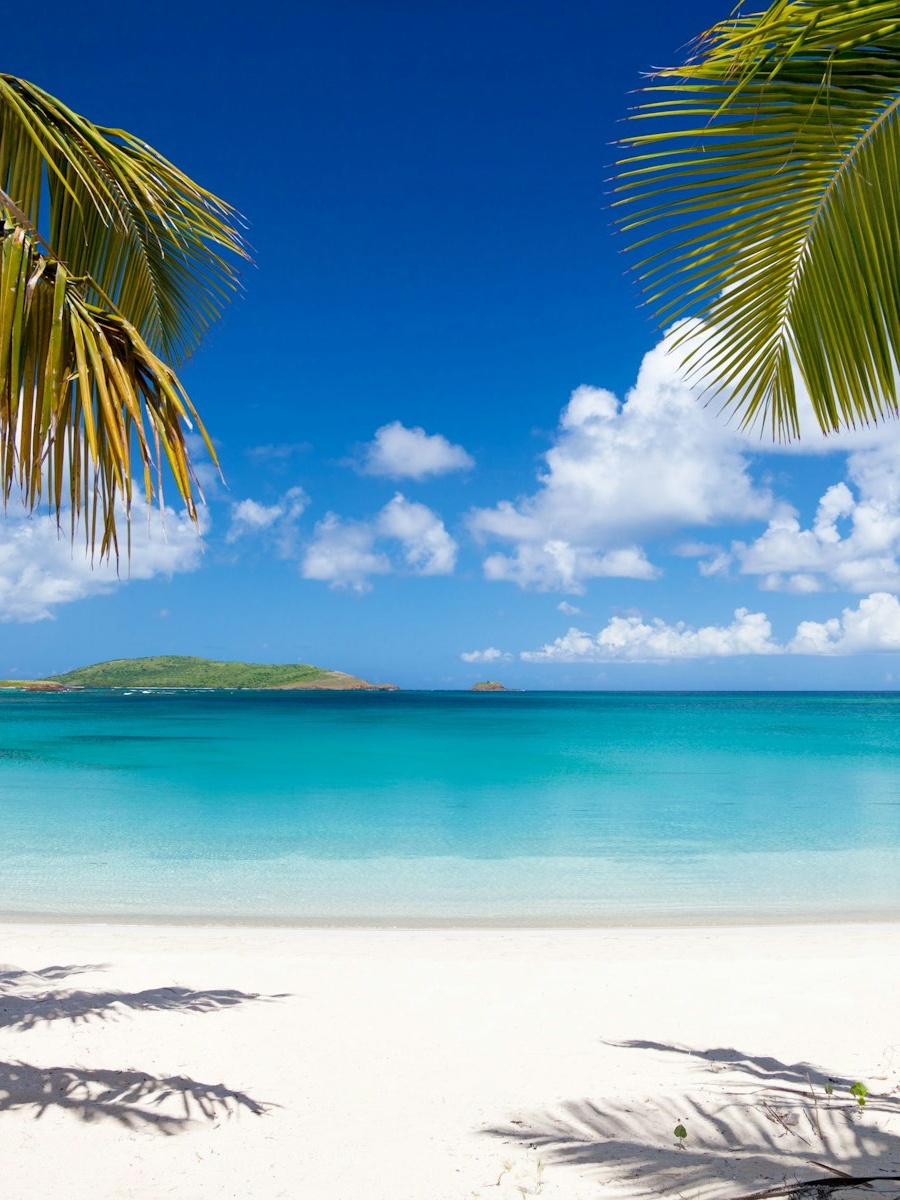
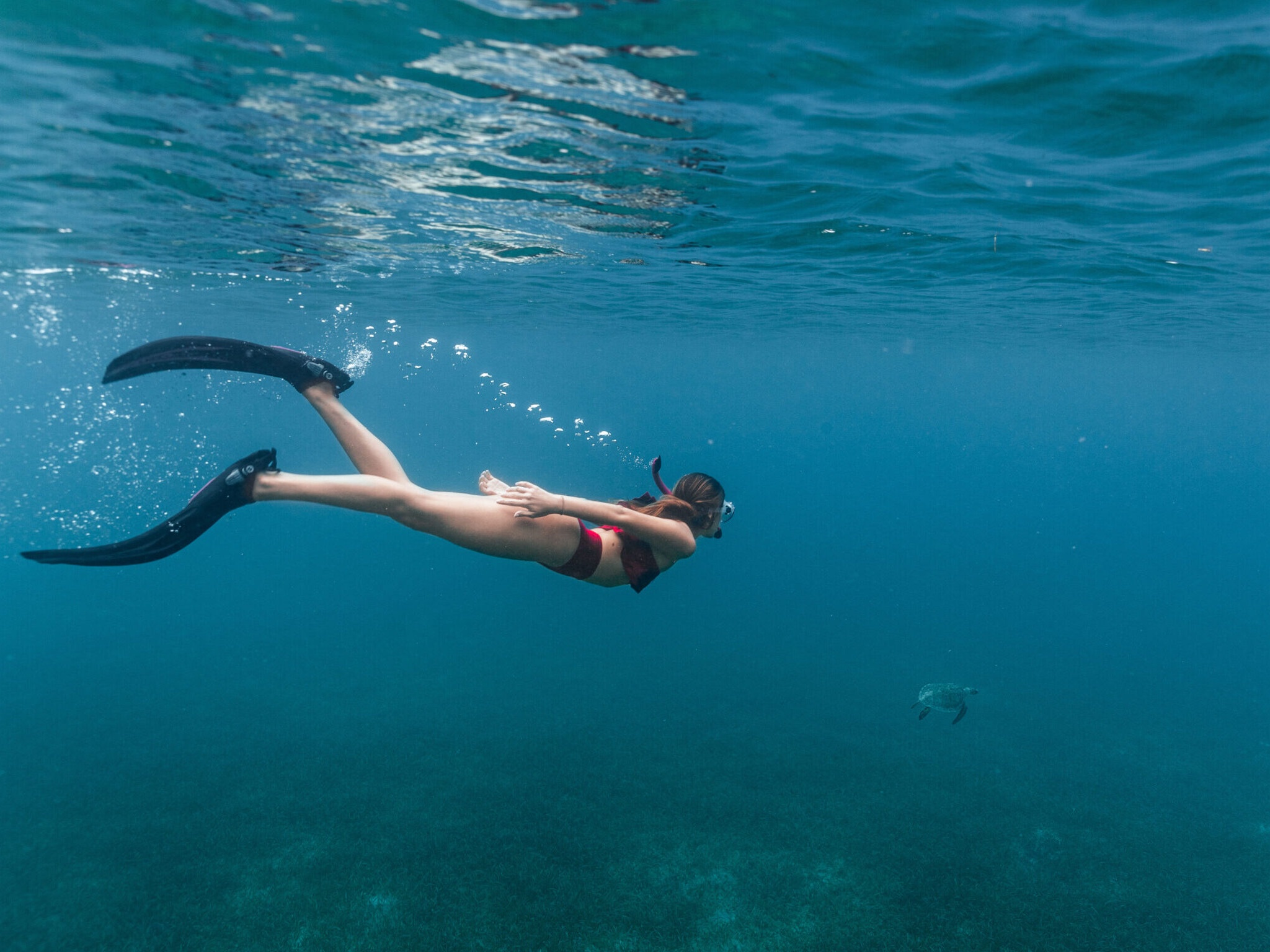
Just west of renowned Flamenco, this broad seagrass lagoon is a year‑round feeding ground for hawksbill and green turtles that glide unconcerned past snorkelers. Gentle currents and depths rarely exceeding 10 ft allow hours of relaxed drifting along coral‑covered rocks and healthy reef patches.
Shacks Beach
Isabela · Blue hole caverns · Google Maps
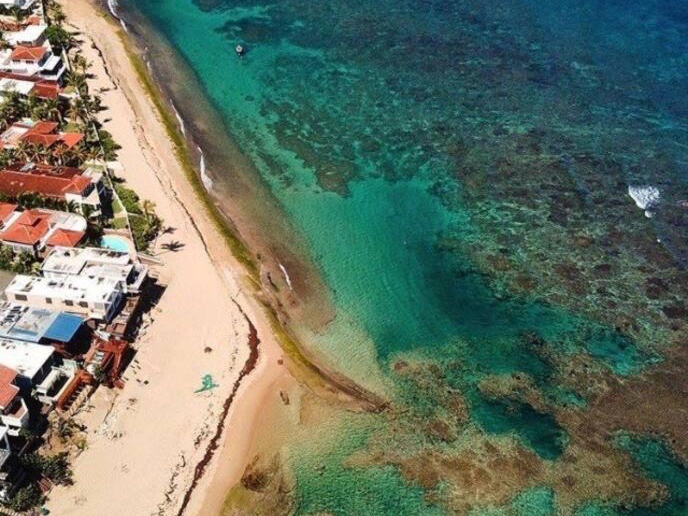
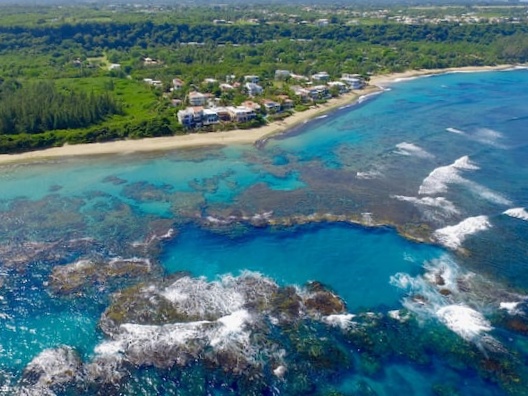
For confident swimmers: navigate narrow sand channels through the reef flat to reach the “Blue Hole,” a sinkhole opening to open‑ocean depths. Inside, cathedral‑like walls sprout giant sea fans while horse‑eye jacks, needlefish and reef squid hover in glass‑clear water.
Mosquito Pier
Vieques · Half‑mile jetty · Google Maps
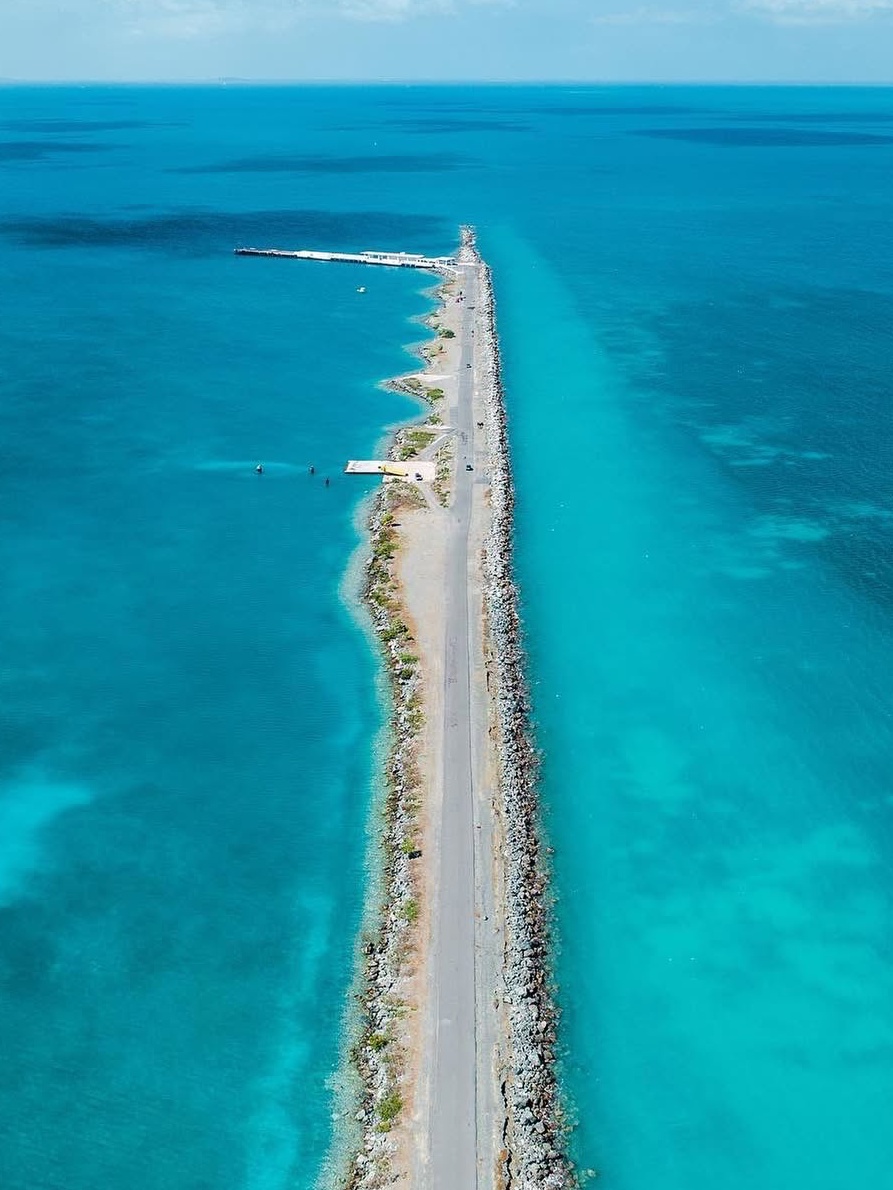
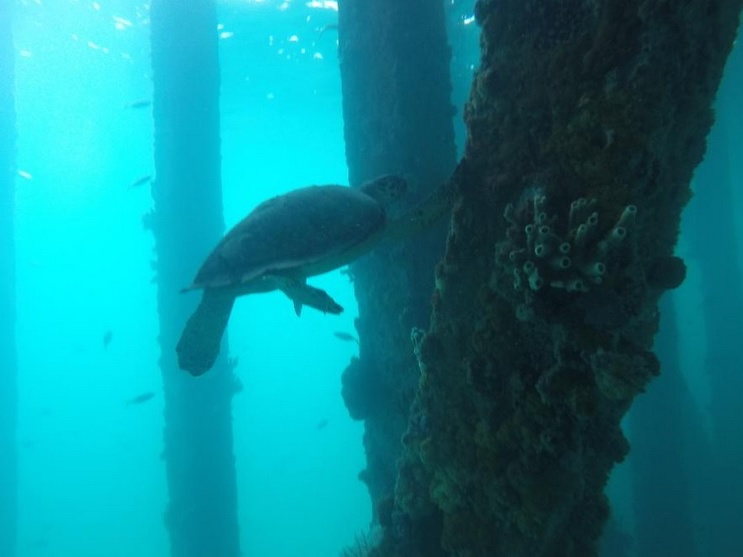
Half‑mile concrete jetty thrusts into the Caribbean, providing a rare shore‑based window into pelagic life. Shadowed pylons are encrusted with stony corals and cup sponges; peer into crevices with a torch to spot octopus, while eagle rays and tarpon cruise the perimeter.
Escambrón Beach
San Juan · Urban reef snorkeling · Google Maps
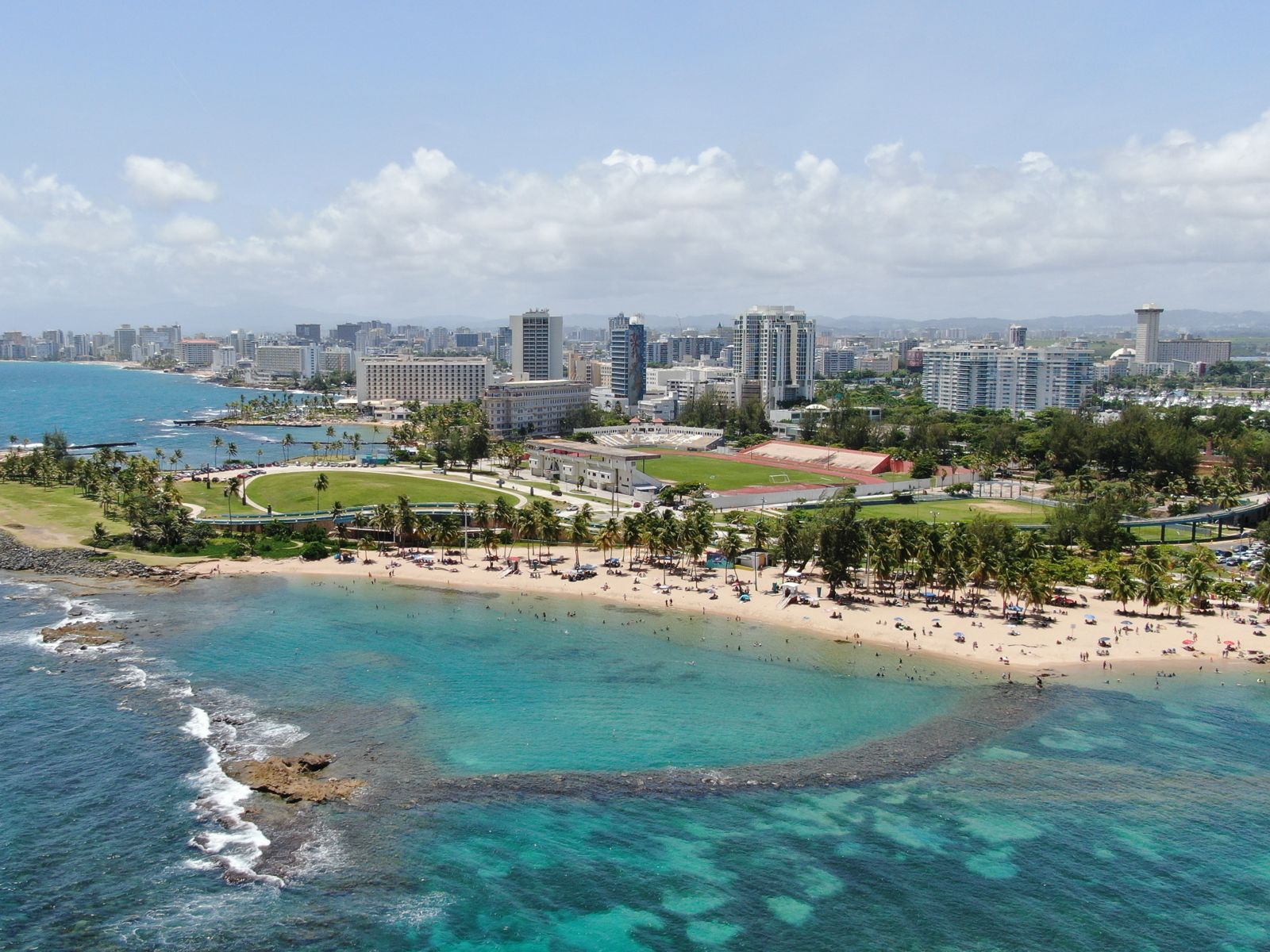
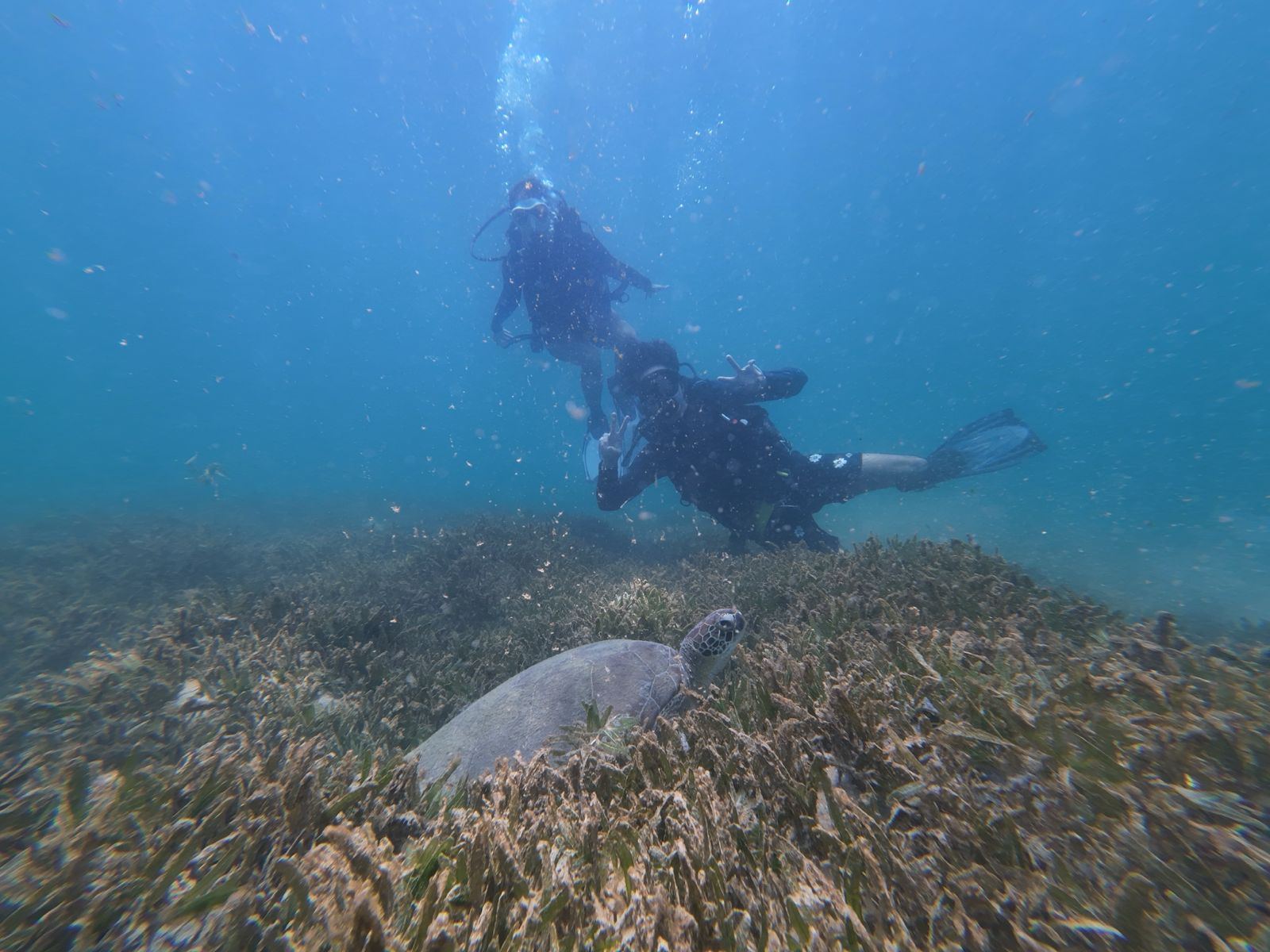
Urban park with lifeguards, showers and a sand‑bag breakwater that dampens waves, creating a sheltered snorkel zone. Reef fingers teem with juvenile angelfish, damselfish and grazing hawksbill turtles, letting beginners reliably swim with turtles just minutes from Old San Juan.
Snorkeling in Puerto Rico – FAQ
When is the best time of year to snorkel in Puerto Rico?
Late spring through early fall offers the calmest seas and clearest water on most coasts. Winter can bring surf to the northwest; in those months, choose sheltered spots like Escambrón, Seven Seas and La Parguera.
Where can I reliably see sea turtles?
Escambrón (San Juan) and Playa Tamarindo (Culebra) are the most consistent for relaxed turtle encounters, with frequent sightings in clear, shallow water.
Do I need fins or can I snorkel without them?
Fins improve safety and control in current but are optional in calm coves. A well‑fitting mask and snorkel are essential; consider a flotation belt for beginners.
How good is the water visibility?
On the best days, west and offshore cays exceed 80–100 ft of visibility. After heavy rain or swell, visibility drops; wait 24–48 hours for clearer conditions.
Any safety tips or local regulations?
Check conditions, avoid standing on coral, and never touch turtles. In reserves like La Parguera and Culebra, follow posted rules and pack out all trash.
Recommendations or feedback? Email us: info@staypr787.com